
Heating and Cooling Services in Philadelphia
Heating, cooling and airflow work for homeowners, landlords, property managers and small businesses.
Wynnefield AC & Heating works on the furnaces, boilers, air conditioners, heat pumps and ductless systems that heat and cool Philadelphia homes and businesses. Besides repairs, that means tune-ups before summer and winter, thermostat upgrades, ductless cooling for houses with no ducts, and a new furnace or air conditioner once repairs stop making sense.
Which Service Fits the Problem
Most calls start with something you notice rather than a service name: a burner that lights and quits, a bedroom that never cools, a radiator that stays cold. Each kind of work has its usual signs, though a problem like a room that never gets comfortable can lead to more than one.
| Service | What It Covers | Signs You Need It | Page |
|---|---|---|---|
| AC repair | Central air and heat pumps in cooling mode: capacitors, fan motors, drains, refrigerant leaks | Warm air at the vents, ice on the copper lines, water by the indoor unit | AC Repair |
| Furnace repair | Gas and oil furnaces: igniters, flame sensors, motors, limit and pressure switches | No heat, a burner that lights and shuts off, cool air between cycles | Heating Repair |
| Boiler repair | Hot-water and steam boilers: circulator pumps, expansion tanks, zone valves, radiator vents, controls | Cold radiators, banging pipes, a pressure gauge creeping high or low | Heating Repair |
| Heat pump service | Heating and cooling modes: reversing valves, defrost controls, outdoor fans, refrigerant | Cool air in heating mode, an outdoor coil that stays iced | Heating Repair |
| AC and furnace replacement | A new air conditioner or furnace when the old one is not worth repairing | Repeat breakdowns, a cracked heat exchanger, climbing energy bills | System Replacement |
| Ductless mini-split installation | Wall-mounted heads joined to an outdoor unit by a slim line set | Radiator heat and no ducts, window units, an addition the main system misses | Buyer’s Guide |
| Thermostat upgrades | Programmable or smart thermostats in place of old or failing ones | A blank or flickering screen, room temperatures that drift from the setting | Questions |
| Seasonal tune-ups | Cleaning, testing and adjusting: cooling before summer, heating before winter | A season about to start, a year or more since the last check | Seasonal Maintenance |
| Airflow and uneven rooms | Weak airflow, rooms that never reach the set temperature, loud or short-cycling equipment | Faint air at some registers, a hot top floor, cycles that last only minutes | AC Not Cooling |
Questions About Choosing the Right Visit
What should I book if I can’t tell what is wrong?
Book a repair. You do not need to know the cause before you schedule service, and a fault that looks like a broken machine can turn out to be a thermostat setting, a clogged filter or a blocked return.
Is a tune-up the same as a repair?
No. A tune-up is for equipment that still works: it is cleaned, checked and adjusted before the season, so a weak part shows up early. A repair is for a system that has stopped or is acting up, such as a furnace that short-cycles or an air conditioner blowing warm. Filters and a clear outdoor unit are the parts of seasonal maintenance a homeowner can handle.
Do you work for landlords and property managers with several units?
Yes, landlords with rental units and property managers looking after several buildings are among the people we work for. A short record for each unit, with its equipment, filter size and last service, makes planning easier, and tenants who report a noise, a drip or a cold room early can head off a breakdown.
Do you handle heating and cooling for shops and offices?
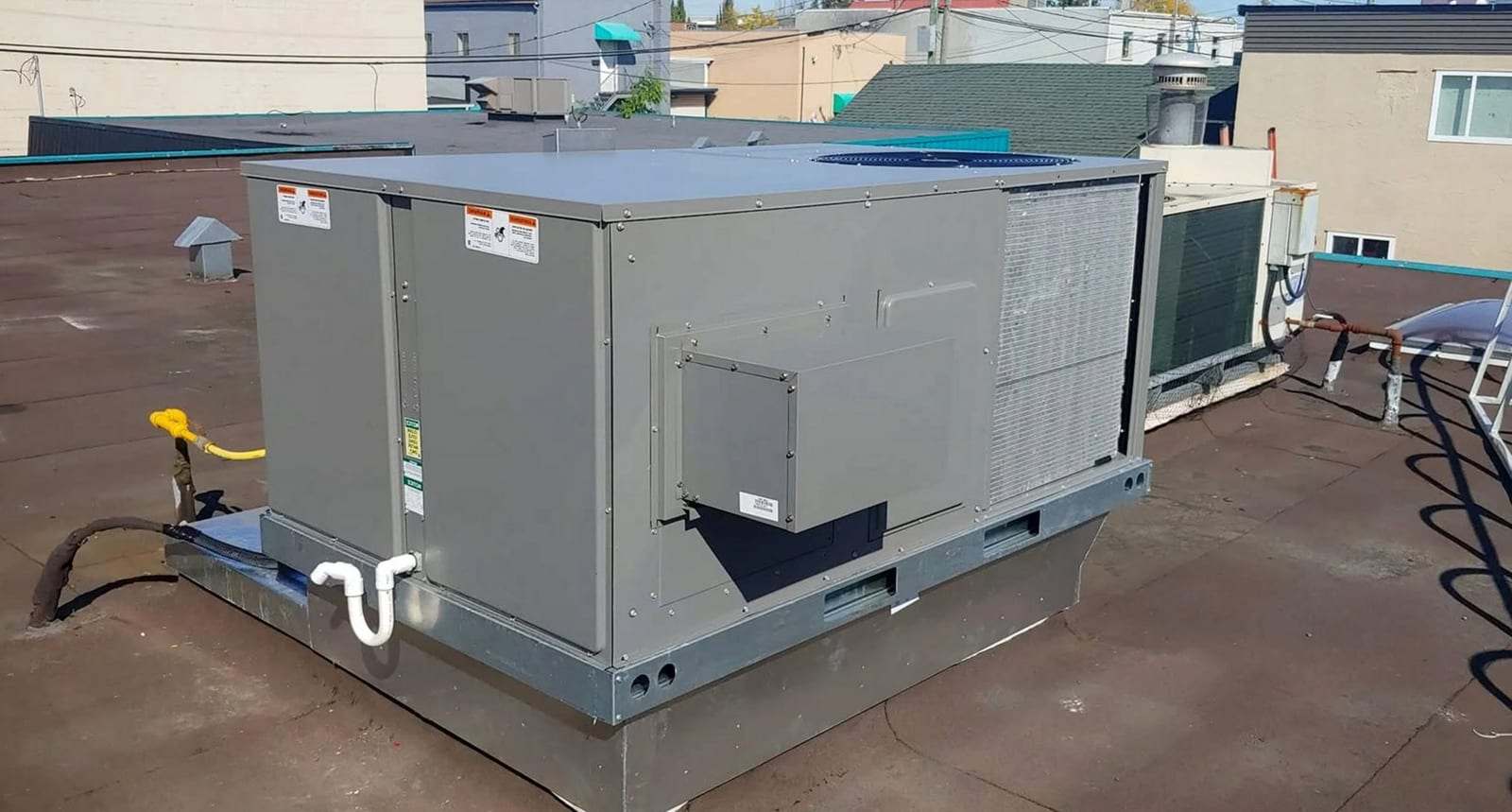
Yes, for small businesses such as shops and offices. Their equipment is often what a home has, or a rooftop unit that heats and cools from one cabinet. When you book, mention where the equipment sits and how to reach it, such as a roof hatch or a locked mechanical room.
What if one room never gets comfortable?
That usually points to airflow rather than a failed machine: a closed or blocked register, a dirty filter, a crushed or leaking duct, too little return air, or a room under a hot roof. Start with the filter and the registers. If the room still lags, tracking down why is part of our work, from the blower to the ducts that feed that room.
Boiler Heat and Ductless Cooling
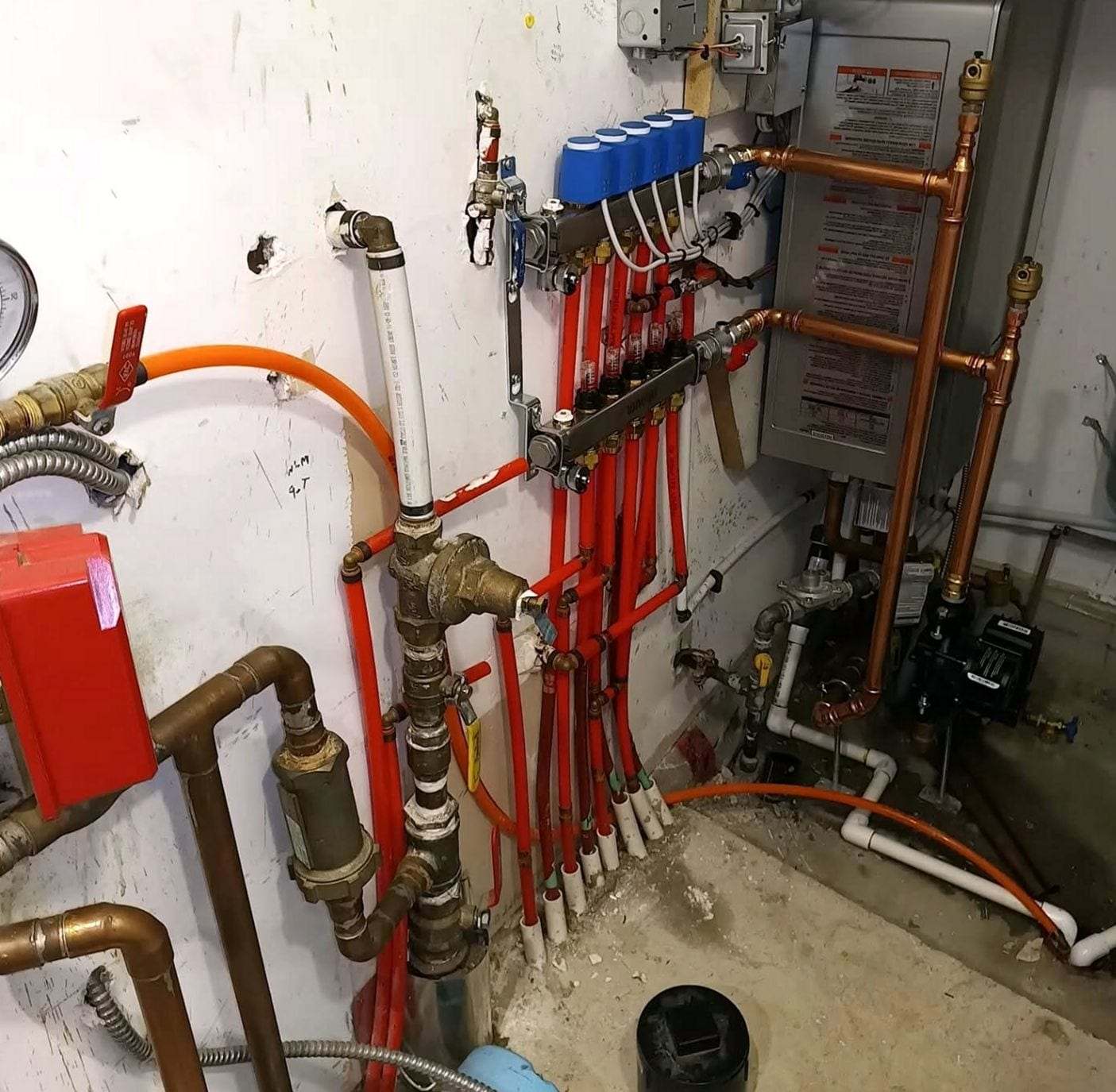
Plenty of older houses in the city, brick rows and big stone twins alike, were built without ductwork. A boiler heats them through cast-iron radiators, baseboard or tubing in the floor, and boiler repair covers both kinds of system: circulator pumps, zone valves and expansion tanks on hot water, and vents, sight glasses and low-water cutoffs on steam.
Cooling them no longer means window units or cutting ducts into plaster. A ductless mini-split puts a slim head high on the wall, joined by a small line set to an outdoor unit, and since most are heat pumps, it can also warm a room the radiators never quite reach. It is one option to weigh when choosing a new heating or cooling system.
Before Paying for Another Repair
Repair is usually the right first step, but these signs suggest a furnace or air conditioner is near the end of its life:
- The same part, or the same problem, keeps coming back
- The fix is a major one: a compressor, a leaking indoor coil or a cracked heat exchanger
- The air conditioner runs on R-22, a phased-out refrigerant, or its parts are getting hard to find
- Energy bills keep rising while the house feels less comfortable
- It never kept the house comfortable, even when it was new
When several apply, it is worth learning what replacing a furnace or air conditioner involves before paying for the next repair.
When the Humid Summer Heat Comes
Philadelphia summers bring runs of hot, humid days, and a heat wave is when air conditioners give out: a weak capacitor, a dirty coil or a slow leak that coped in mild weather fails once the system runs for hours on end. Before the first hot spell, change the filter, clear leaves away from the outdoor unit and run the cooling long enough to feel cold air at the vents; in the heat itself, draw the blinds on sunny windows and keep the thermostat at one steady setting.