
Heating Repair in Philadelphia
Furnaces, boilers and heat pumps that stop heating, short-cycle or heat only part of the house.
Heating repair covers gas and oil furnaces, hot-water and steam boilers and heat pumps. A system that will not start, lights and quits or makes a new noise usually has one failed part behind it: an igniter, a flame sensor, a circulator pump, a vent or a control.
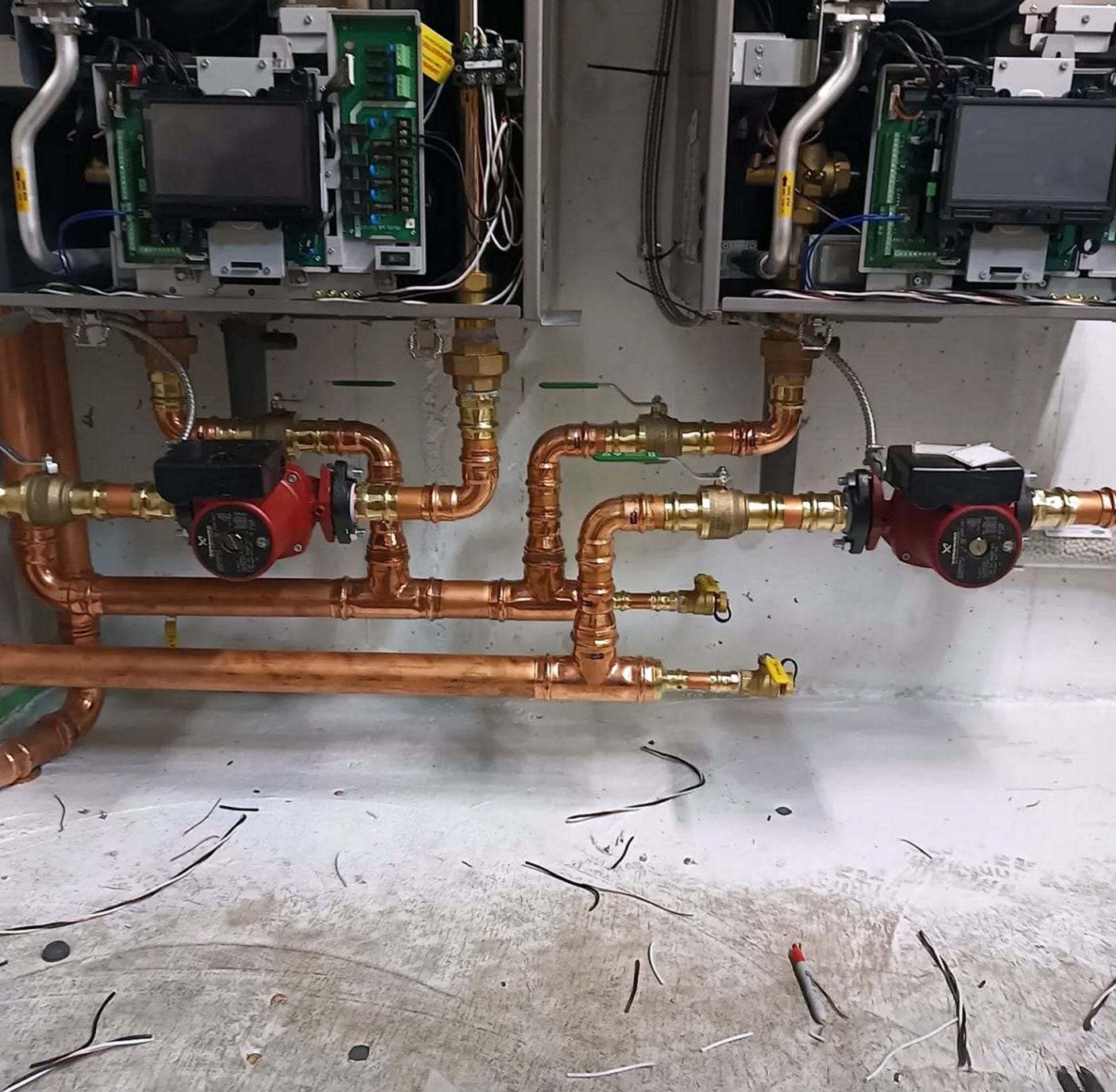
When a Heating Problem Is a Safety Problem
These come before any troubleshooting:
- A smell of gas. Do not touch switches or light a flame. Get everyone out, then call the gas utility or 911 from outside.
- A carbon monoxide alarm. Get everyone into fresh air, call 911 and stay out until responders say it is safe.
- Loud new noises. A boom at ignition, screeching from the blower or sudden heavy banging means turning the heat off until it is checked.
- Who to call first. The utility or 911 for gas or carbon monoxide, and heating repair after that.
Checks to Try When the House Goes Cold
With no gas smell and no alarm, try these first:
- Check the thermostat. Heat mode, a few degrees warmer than the room. A blank screen usually means dead batteries.
- Check the power. Look for a tripped breaker and the service switch by the furnace or boiler, a light switch that is easy to flip off by mistake.
- Check the filter and blower door. A clogged filter can overheat a furnace until it shuts off, and a loose door trips a safety switch.
- Check fuel, gauges and vents. Look at the oil tank, the boiler’s pressure gauge or a steam boiler’s sight glass, and clear snow from a high-efficiency furnace’s vent pipes.
- Reset once, then stop. Pressing an oil burner’s reset again and again can flood it with oil. If one reset does not help, schedule a repair.
How Each Kind of Heating System Tends to Fail
| System Type | Common Problems | Warning Signs | What to Do First |
|---|---|---|---|
| Gas furnace | Worn igniter, dirty flame sensor, stuck pressure switch, failed motor | Lights then quits, clicks without lighting, cool air between cycles | Change a dirty filter; note any blinking code on the board |
| Oil furnace | Clogged nozzle or filter, failing fuel pump, dirty cad cell | Burner locks out, oily or smoky smell, soot at the burner | Check the tank level; press the reset button once only |
| Hot-water boiler | Failed circulator, waterlogged expansion tank, trapped air, stuck zone valve | Gauge running high or low, dripping relief valve, cold zones | Read the pressure gauge and bleed air from cold radiators |
| Steam boiler | Low water, clogged sight glass or low-water cutoff, stuck radiator vents | Banging pipes, uneven heat, an empty sight glass | Check the sight glass; never add water to a hot, empty boiler |
| Heat pump | Stuck reversing valve, failed defrost control, low refrigerant | Cool air in heating mode, a coil iced solid, nonstop backup heat | Confirm the thermostat says Heat; clear snow from the outdoor unit |
| Ductless mini-split | Clogged filters, a failed sensor or board, a flare-fitting leak | Lukewarm air, blinking error lights, an outdoor unit caked in ice | Clean the head’s filters and check the remote’s mode |
What Goes Wrong Inside a Gas Furnace
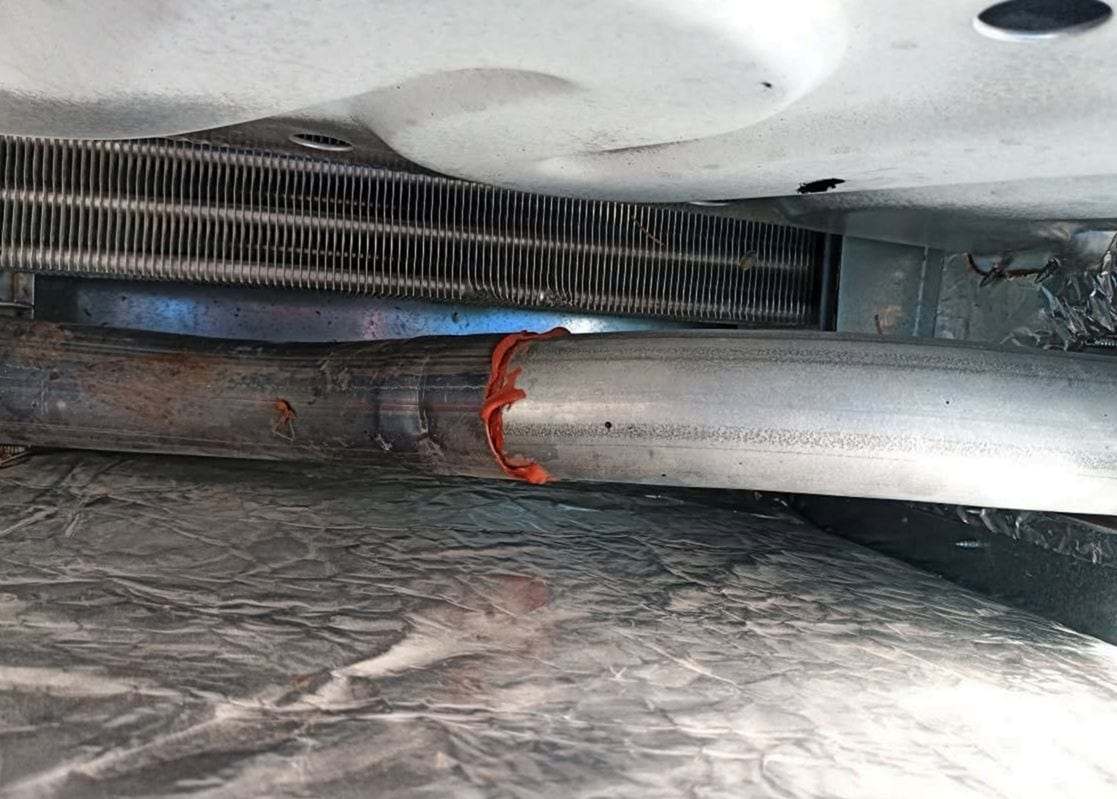
Each time a gas furnace starts, the inducer motor clears the flue, a pressure switch confirms the draft, the igniter glows, the gas valve opens and the flame sensor proves the flame. A failure at any step stops the heat, so a dirty sensor or a cracked igniter can look like a dead furnace. High-efficiency models add a secondary heat exchanger, plastic vents and a condensate drain, where rust, a leaking joint or a clogged trap also shuts them down.
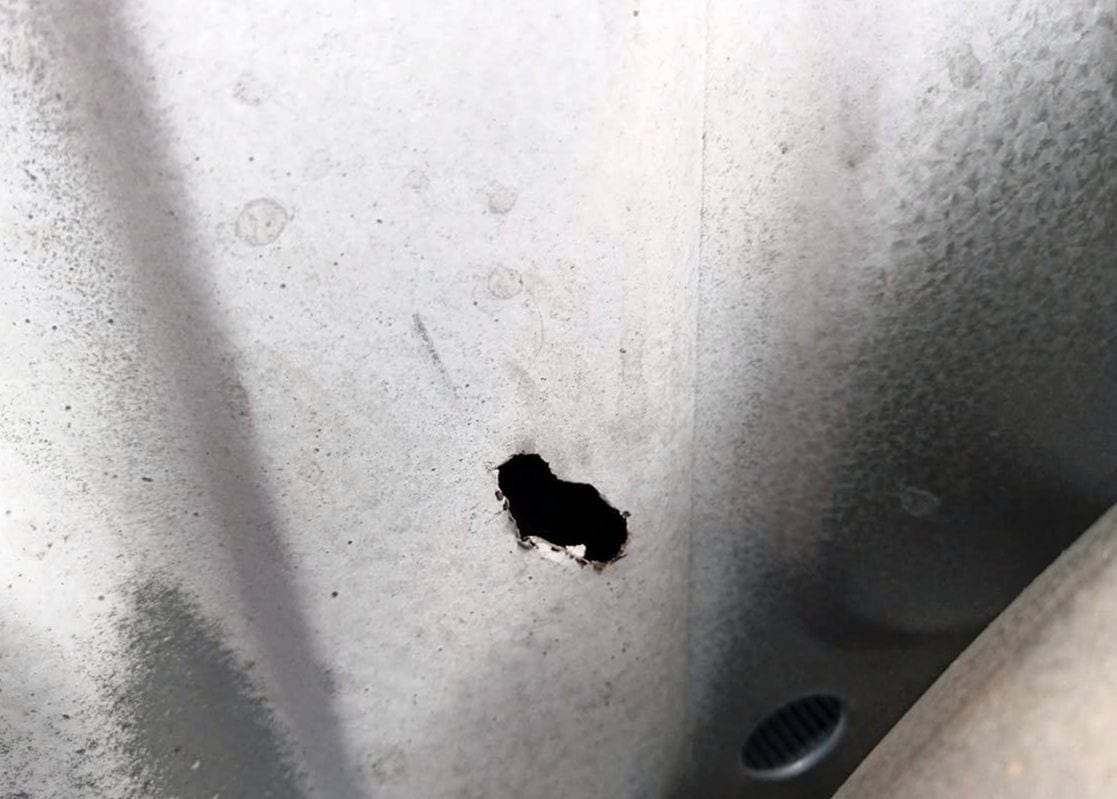
The heat exchanger keeps the flame and its exhaust apart from the air you breathe. Years of heating and cooling can crack or rust through its steel and let carbon monoxide into the airflow; soot near the burners and a flame that wavers when the blower starts are warning signs. A furnace with a breached heat exchanger stays off, and often the answer is a new furnace. Nothing is replaced on a guess, though: the furnace is tested, the damage pointed out where you can see it, and the options talked through before work begins.
Radiator Heat in Rowhouses and Stone Twins
Boilers and cast-iron radiators still heat many of the city’s brick rowhouses and the big stone twins of Wynnefield and Overbrook, some on steam, some on hot water. Steam radiators usually have an air vent that hisses as the steam arrives, and the boiler has a sight glass; hot-water radiators have bleed valves, and the boiler a circulator, an expansion tank and a pressure gauge.
For a gas smell near the boiler, the utility to call from outside is PGW in the city and PECO in most of the suburbs.
Questions About Cycling, Pressure and Cold Radiators
Why does my furnace turn on and off every few minutes?
Often it is overheating: a clogged filter, closed registers or a weak blower starve it of air, and the high-limit switch shuts the burners off. With a dirty flame sensor, the burners light and then go out within seconds.
What should the pressure gauge on my boiler read?
Most home hot-water systems read about 12 to 15 psi cold, rising as the water heats but staying well under the relief valve’s 30. Climbing toward 30 often means a waterlogged expansion tank; steadily falling means a leak. Steam boilers are judged by the sight glass instead.
Why are some radiators cold while others heat?
In a hot-water system, trapped air blocks the flow: bleed the radiator until water appears, then check the boiler pressure. A whole cold zone points to its circulator or zone valve. With steam, look for a stuck air vent or a radiator tilted the wrong way.
How do I tell a pilot problem from an igniter problem?
Older furnaces and boilers have a standing pilot; if it will not stay lit, the thermocouple is a likely culprit. Newer furnaces usually have a hot-surface igniter that glows orange, and a cracked one has to be replaced. Stop at once if you smell gas.
Why is my heat pump blowing cool air in winter?
Heat pump air comes out warm rather than hot, and a few minutes of cool air during a defrost cycle is normal. Long stretches of it, with the thermostat on Heat, point to the reversing valve, the defrost control or a refrigerant leak.