
Buyer’s Guide to a New Heating or Cooling System
The right system depends on the house: ducts or radiators, gas service and the rooms that are hard to keep comfortable.
A new heating or cooling system should run for many years, so choose it for the house as it is now rather than copying whatever sat in the basement before. The choice turns on whether there are ducts, whether there is gas service, how the rooms are laid out and how long you plan to stay. If the old equipment still runs, first be sure replacing the furnace or air conditioner beats another repair.
Choosing Between Ducted, Ductless and Hot-Water Systems
Most homes start with either ducts fed by a furnace or air handler, or pipes carrying hot water or steam to radiators, and that narrows the choice more than anything else.
Compare Systems Side by Side
Tick two to four systems, then press Compare Systems.
| System Type | How It Works | Best Suited To | Things to Consider |
|---|---|---|---|
| Gas furnace with central AC | A furnace heats air for the ducts; an outdoor condenser and a coil on the furnace cool it in summer | Homes with ductwork and a gas line | Two machines to maintain, and comfort depends on the ducts too |
| High-efficiency condensing furnace | Pulls extra heat from its own exhaust, cooling it until water condenses out | Ducted homes where winter gas bills run high | Needs a plastic vent through a wall and a drain; pairs with central air |
| Ducted heat pump | Moves heat rather than making it: into the house in winter, out of it in summer | Well-insulated ducted homes ready to heat with electricity | Gives less heat as it gets colder, so sizing and backup heat matter |
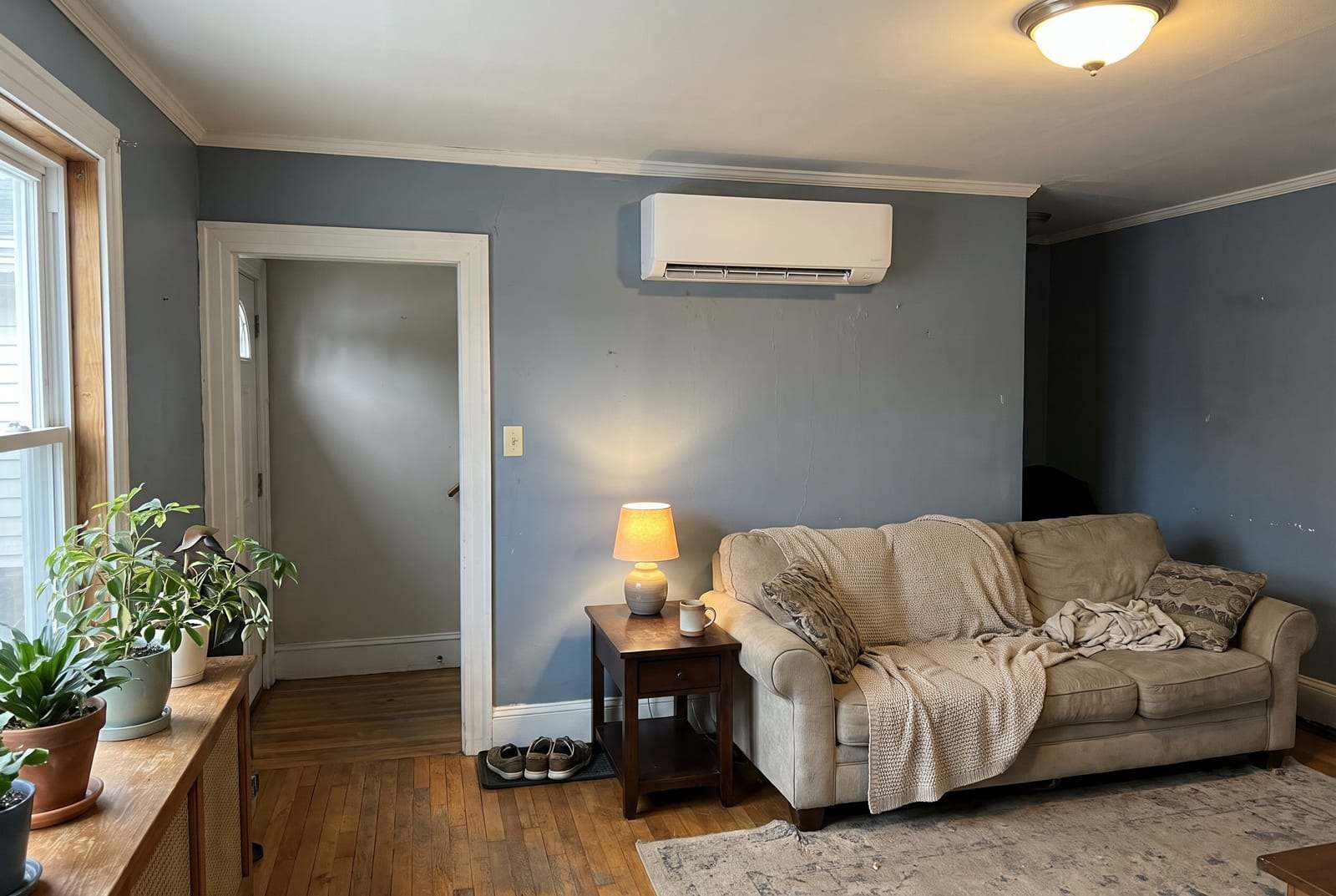
| Ductless mini-split | An outdoor heat pump feeds heads mounted in the rooms through small refrigerant lines | Radiator homes without ducts, additions and single hard-to-cool rooms | Visible heads, filters to rinse, and comfort that depends on where the heads go |
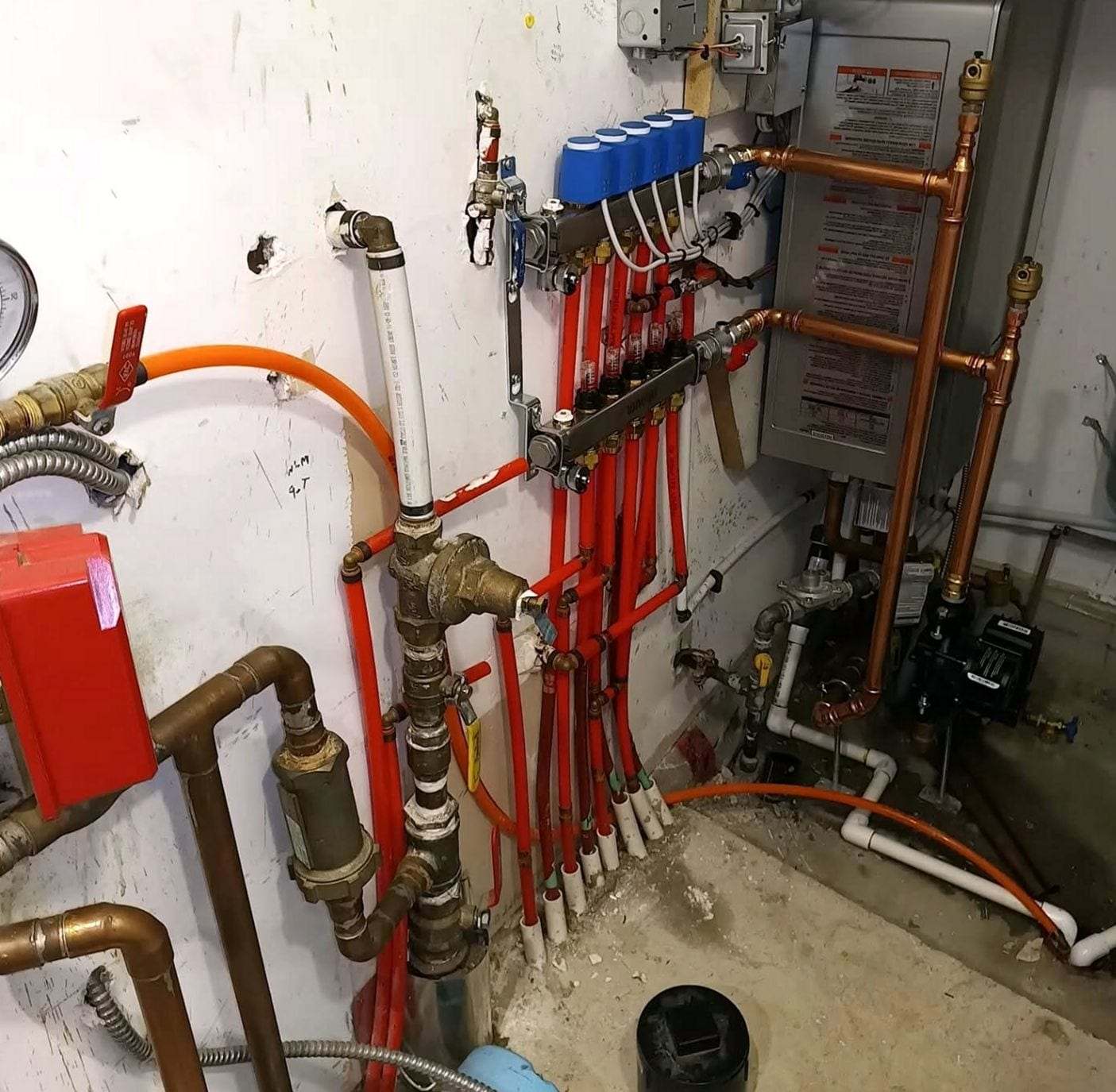
| Hot-water boiler | Heats water and pumps it through radiators, baseboard or tubing in the floor | Homes already piped for radiators | No cooling, so window units or ductless heads fill that gap |
| Heat pump with gas furnace backup | The heat pump heats in mild weather; the furnace takes over when it is too cold for the heat pump | Ducted homes with gas that want to burn less of it | The most equipment of any option, and controls that hand off between the two |
Questions About Picking a System Type and Size
Can a heat pump keep a Philadelphia house warm in winter?
Many can. Cold-climate heat pumps keep heating well below freezing, though their output falls as it gets colder, so they are sized with care and paired with backup heat: electric strips in the air handler, or a gas furnace for the coldest days. Insulation and well-sized ducts matter as much as the equipment.
Is a ductless system a good fit for a rowhouse heated by radiators?
Often, yes. The radiators go on heating, and ductless heads add cooling without opening walls and ceilings for ductwork. One outdoor unit on the roof or a back wall can serve several heads, each fed by a thin refrigerant line. Most heads also heat, which covers cool spring and fall weeks without firing the boiler.
What do AFUE, SEER2 and HSPF2 mean in plain words?
AFUE is the share of a furnace’s or boiler’s fuel that becomes heat in the house. SEER2 is the cooling an air conditioner or heat pump gives per unit of electricity over a summer; HSPF2 is the same for a heat pump’s heating. The 2 marks a newer test whose figures run lower than the old SEER and HSPF numbers.
How is the right size worked out for a new system?
With a load calculation, usually the trade’s Manual J, which adds up the heat each room gains and loses through walls, windows, ceiling and floor, allowing for insulation, air leaks and which way it faces. The answer can be smaller than the old equipment, especially after new windows or insulation.
What Shapes the Cost of a New System
Much of the cost of a new system comes from the house rather than the equipment:
| Factor | How It Affects the Cost | What to Check at Home |
|---|---|---|
| Type of system | Like-for-like costs least; switching types or adding ducts costs more | What heats and cools the house now, and whether every room has a register |
| Size | Bigger equipment costs more, and an oversized unit runs worse too | Rooms that are hard to keep comfortable, and any new windows or insulation |
| Efficiency rating | Higher AFUE, SEER2 or HSPF2 raises the equipment price and lowers the bills | A year of gas and electric bills, and how long you plan to stay |
| Ductwork | Sealing, repairing or resizing ducts adds labor and material | Loose or crushed ducts in the basement, and rooms with weak airflow |
| Access | Narrow stairs, tight basements, rooftop condensers and long line runs add hours | The path from the street to the equipment, and the roof access |
| Venting, drainage and wiring | A condensing furnace needs new vent pipe and a drain; a heat pump may need its own circuit | Where the furnace vents now, the nearest floor drain and space in the breaker panel |
A ductless system is priced by its heads, its outdoor unit and the length of each line run more than by the size of the house. We install ductless mini-splits; where each head goes is best judged in the rooms themselves, so schedule a visit before settling on a layout.
What Each Quote Should Spell Out
Ask each contractor the same questions so the quotes line up:
- Which equipment is included, by model number: furnace or air handler, outdoor unit, indoor coil and thermostat?
- How was the size chosen: a load calculation, or the old unit’s size?
- What is in the scope of work, and what is left out?
- What happens to the ductwork: inspected, sealed, changed or reused as it is?
- Is removing the old equipment, and recovering its refrigerant, part of the price?
- Are vent pipe, drain, gas piping or wiring changes included?
- How long will the house go without heat or cooling?